4166 RECORDS (RELEASED SEPTEMBER 25, 2026)
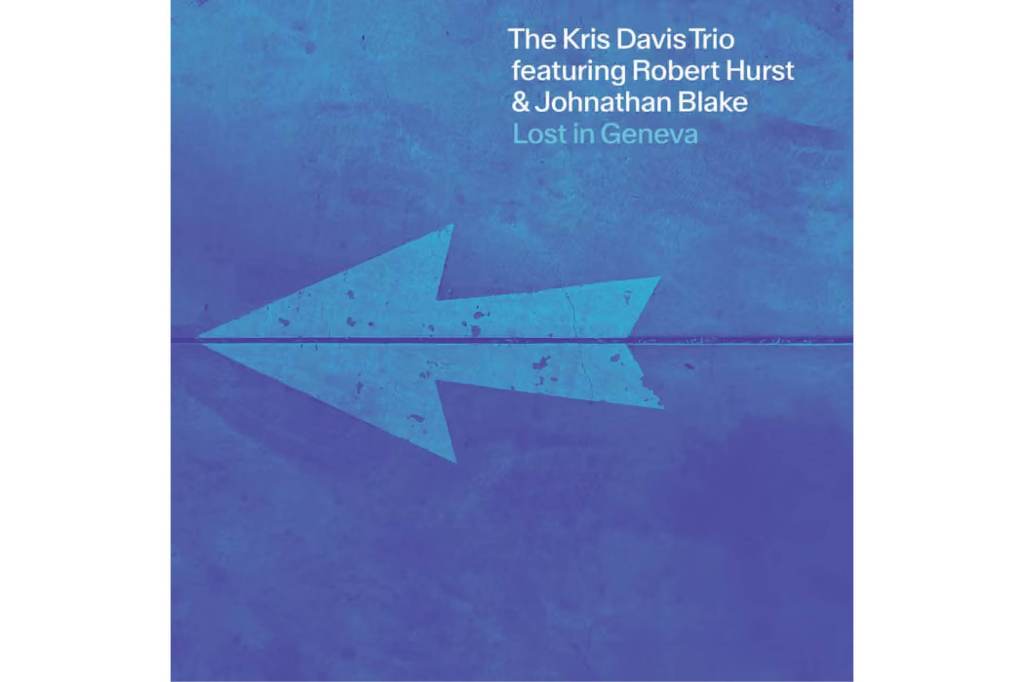
In the late 1950s, critics began describing the Bill Evans Trio as having transformed the piano trio from a hierarchical format into a genuinely conversational ensemble. More than 65 years later, the same could be said of the Kris Davis Trio—Kris Davis on piano, Robert Hurst on bass and Johnathan Blake on drums. Davis’ compositions may bear little resemblance to the standards and originals that Evans and his colleagues interpreted, but the underlying principle is similar: freeing the individual roles so that all three musicians participate equally in shaping the music. Those shapes vary from the abstraction of “Subtext,” grounded in a surging rhythm, to the impressionistic mood of the title track, with Davis ruminating on the theme before revealing the beauty of her ballad-like composition. The delicate melody played by Davis and the telepathic interaction with Hurst give “The Ballerina” a chamber-music feel, while Blake’s drumming establishes the mood for his composition “Clues.” There, Davis’ ascending chords gradually fragment into ascending single notes before giving way to a knotty solo that recalls the style of Paul Bley. Although Davis and Hurst play the opening lines of “Deer Fly” in unison, they soon separate, with Hurst going his own way in supporting Davis’ strong single-note playing and accentuated runs. Davis’ incisive attack opens “Where Does the Tunnel Go,” a tune she originally recorded on her 2010 Good Citizen album, while Hurst’s resonant bass line provides the foundation for “Congested Pricing,” highlighted by Davis’ percussive piano in the style of Cecil Taylor and Blake’s powerful drumming. Hurst’s “The Bluesy Bird in Bob’s Backyard” may have little in common with a conventional 12-bar blues, but the trio approaches it with a sense of
joyous and spontaneous interaction. Other selections on Lost in Geneva include “Mourning Dove,” with Blake’s brushes bristling in the air, and “The Northern Flicker,” on which Davis employs prepared-piano effects, as she has on earlier releases. The only composition not written by a member of the trio is Davis’ interpretation of Morton Feldman’s “Nature Piece 5.” Across the eleven tunes on Lost in Geneva, the Kris Davis Trio adds a new dimension to the “revolutionary, telepathic and democratic system of simultaneous, conversational improvisations” that critics praised when they first heard the Bill Evans Trio. You’ll be singing the praises of the Kris Davis Trio in much the same fashion.
BOTTOM LINE: Here’s a college entrance exam question for you: The Bill Evans Trio is to 1959 as the __________ Trio is to 2026. The answer is the Kris Davis Trio. Their second release, Lost in Geneva, demonstrates the same essential quality that distinguished Evans’ trio: not virtuosity for its own sake, but the extraordinary capacity of three musicians to listen, react and alter the direction of the music in real time.



Leave a comment